 Hair transplant surgery
Facebody’s Proprietary Hair Transplantation Techniques with Individualized Hairline Design
ปลูกผม (Hair Transplant) มีกี่เทคนิค?
What Is Hair Transplant Surgery?
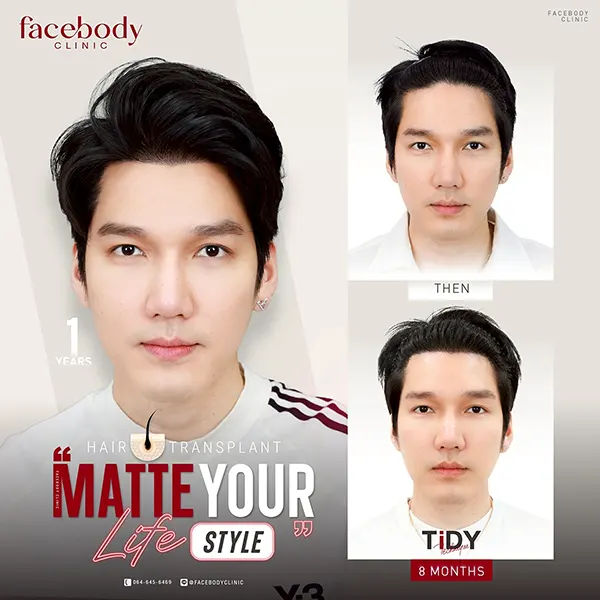
Hair transplant surgery is a medical procedure that addresses hair loss, thinning hair, and baldness by transplanting hair follicles from suitable donor areas on the patient’s own scalp, typically the occipital or lateral regions (the back or sides of the scalp), to areas affected by thinning or baldness. Once the transplanted follicles have established themselves, they gradually produce hair that grows naturally, providing a natural appearance and long-lasting results. The procedure can help restore hair density and create a more youthful appearance, supporting the patient’s confidence.
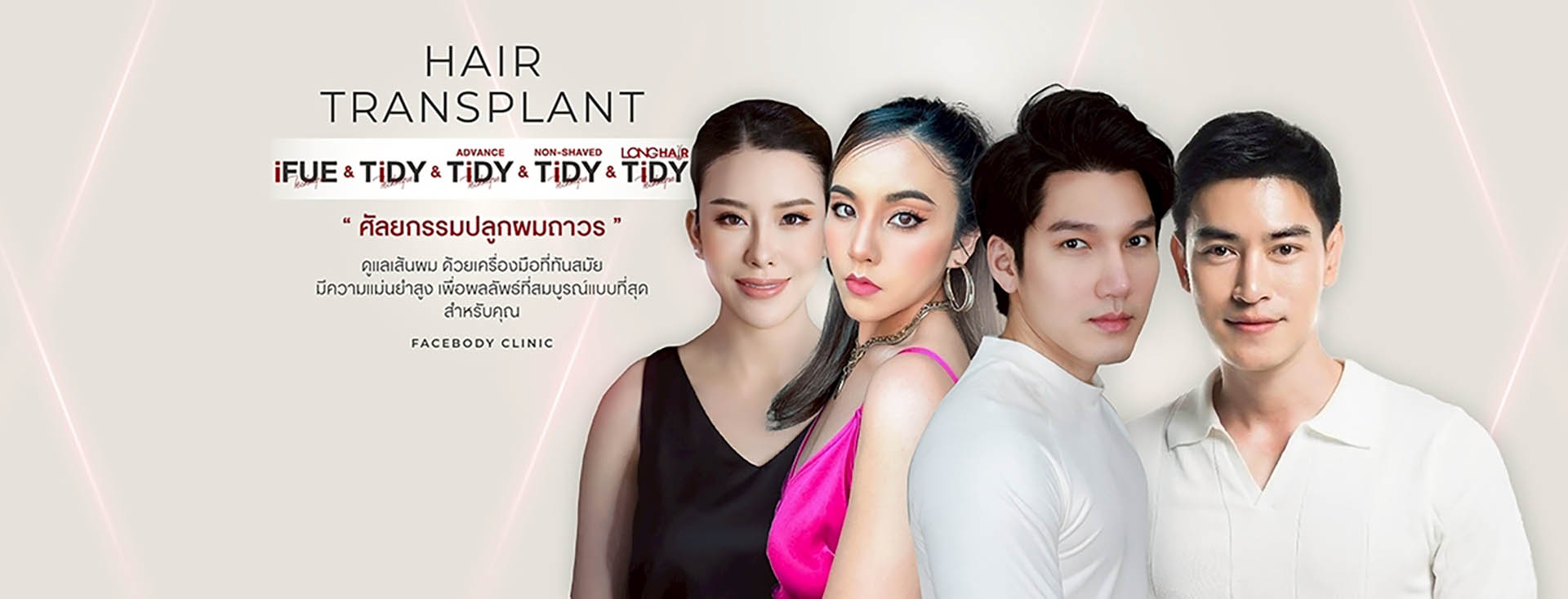
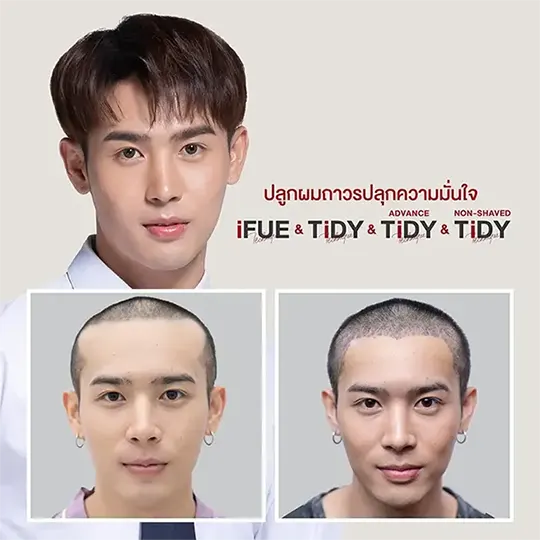
For individuals concerned about hair loss, thinning hair, or baldness who are exploring “permanent hair transplantation,” Facebody Clinic offers hair transplantation options tailored to individual needs. The two principal established surgical approaches are FUT (Follicular Unit Transplantation) and FUE (Follicular Unit Extraction). Facebody Clinic has further adapted these approaches into proprietary techniques, including iFUT, iFUE, TiDY, Advance TiDY, and Non-shaved TiDY. These techniques are designed to improve hair follicle graft survival, increase hair density, and create a natural-looking hairline that complements the patient’s facial proportions, while addressing individual patterns of thinning hair and baldness.
Hair Transplant Surgery Using the iFUT Technique
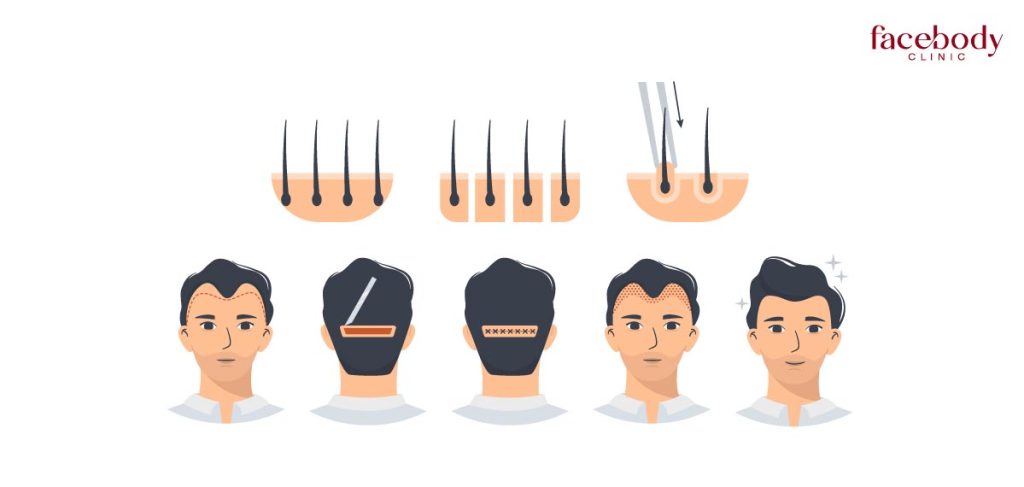 The iFUT technique involves transplanting hair follicles from the occipital donor region (the back of the scalp), where follicles are generally more resistant to hair loss. A strip of scalp containing hair follicles is surgically removed through an incision—a procedure known as strip harvesting—and dissected under a microscope into follicular unit grafts for transplantation into the recipient area. This approach is used in cases requiring a large number of grafts. It leaves a linear scar at the back of the scalp and generally involves a longer recovery period than follicular unit extraction techniques. Facebody Clinic incorporates specialized procedural steps intended to increase transplanted hair density and minimize the visibility of the surgical scar.
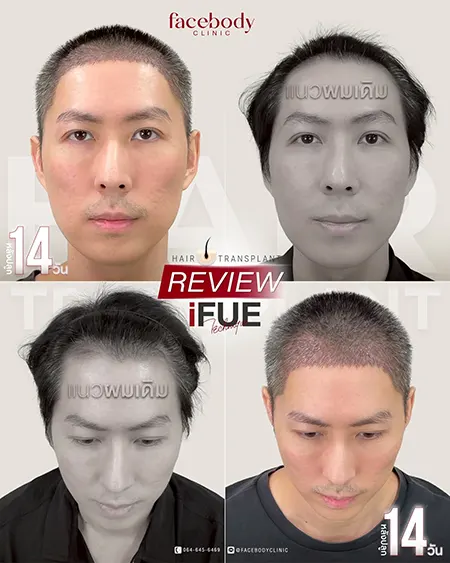
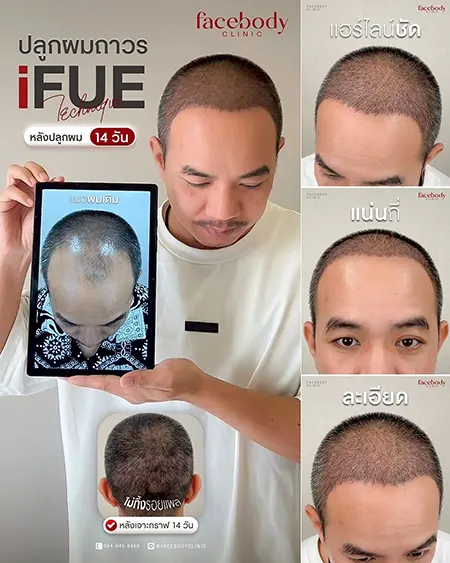
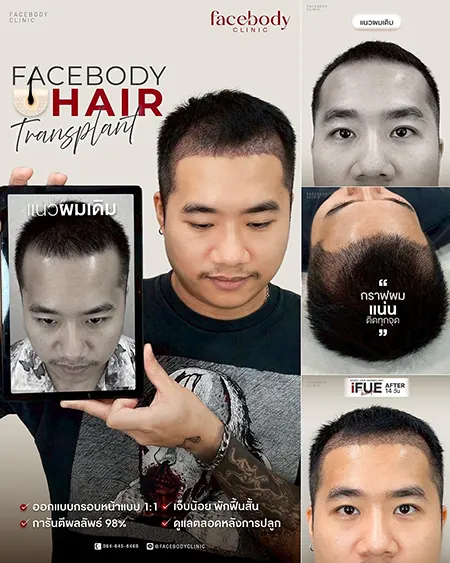
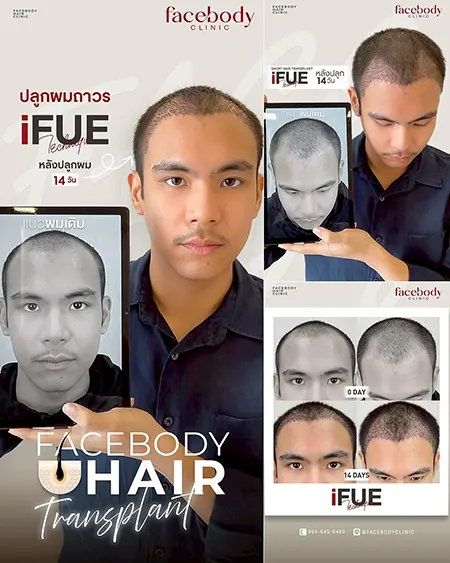
Hair Transplant Surgery Using the iFUE Technique
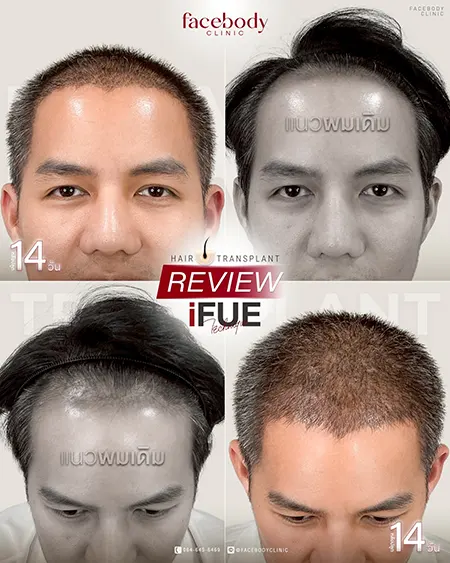
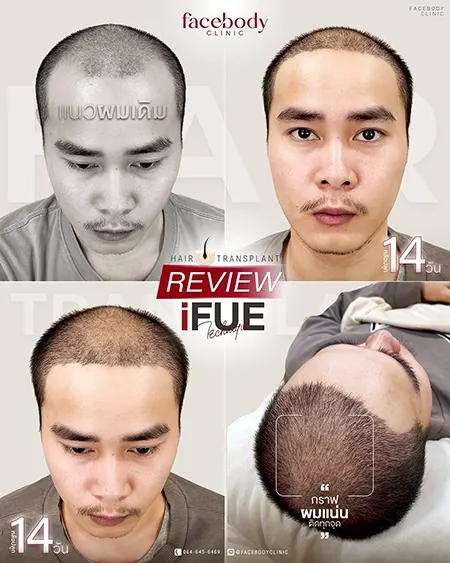
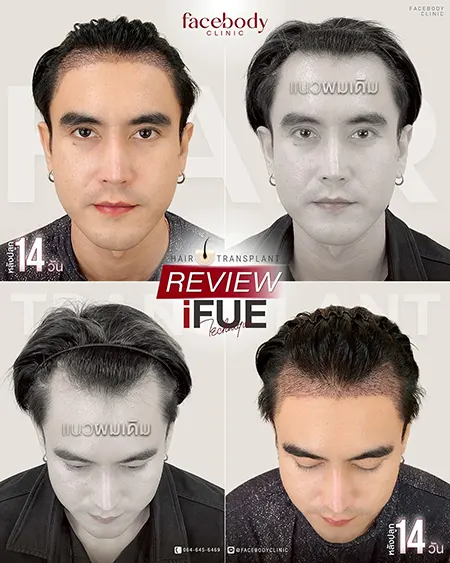
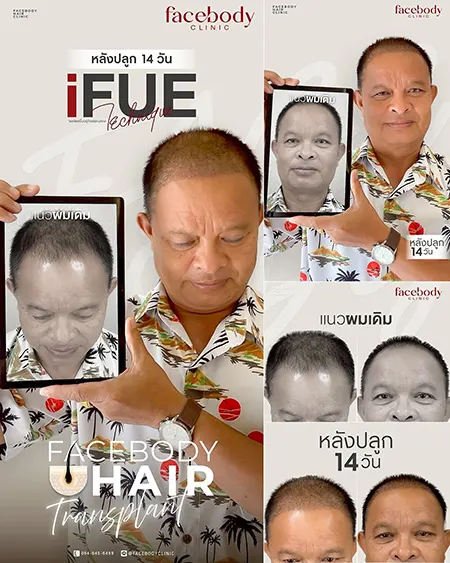
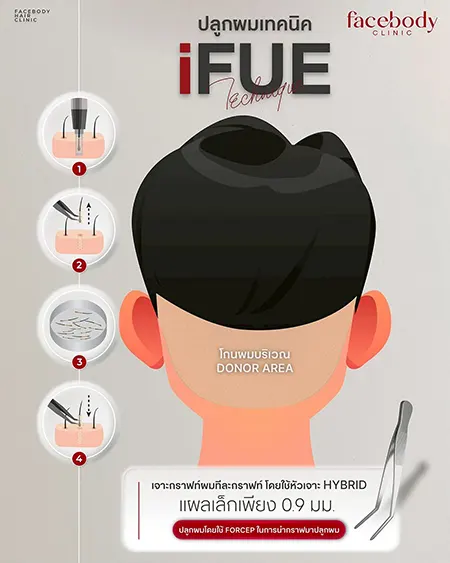
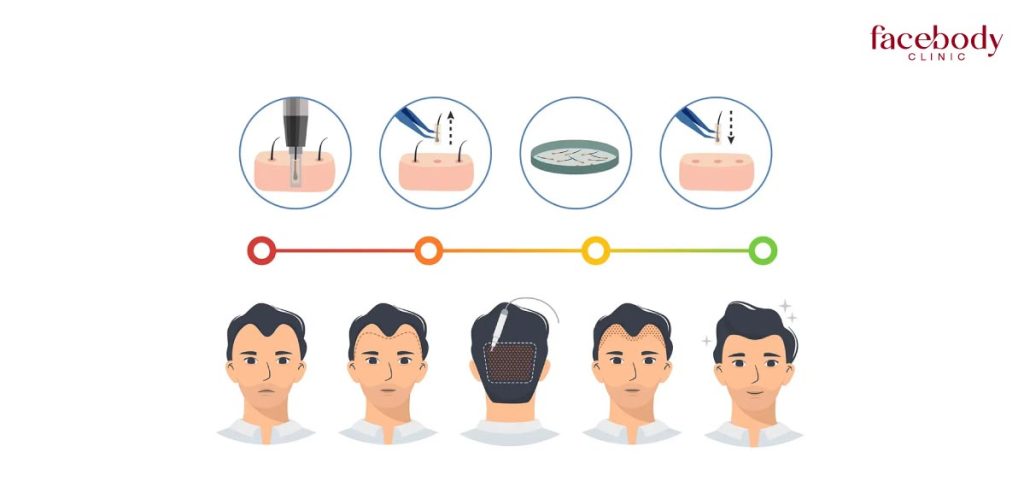 The iFUE hair transplantation technique involves transplanting hair follicles from the occipital donor region (the back of the scalp), where follicles are generally more resistant to hair loss. Individual follicular unit grafts are harvested using a specialized instrument, creating very small wounds without a long surgical incision or sutures. Recovery is generally faster than with the iFUT technique. Facebody Clinic incorporates specialized procedural steps intended to increase transplanted hair density, improve graft survival, and create a natural-looking hairline.
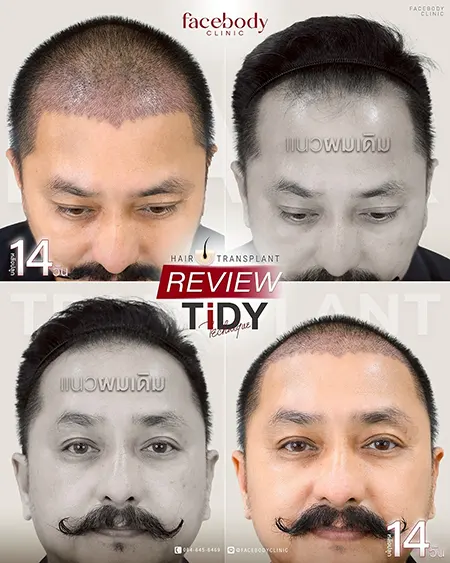
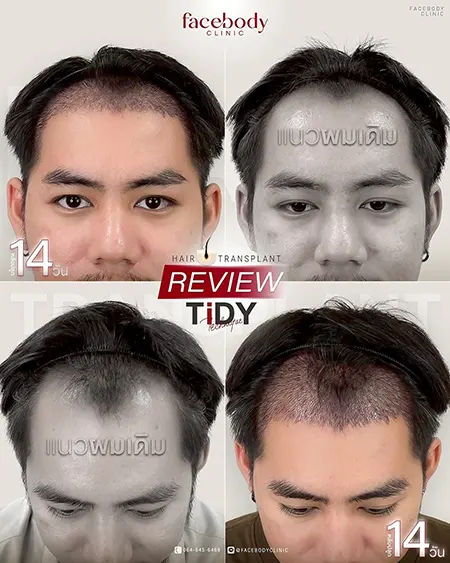
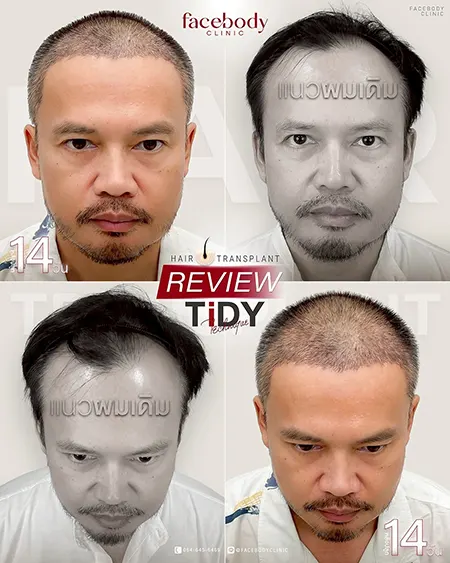
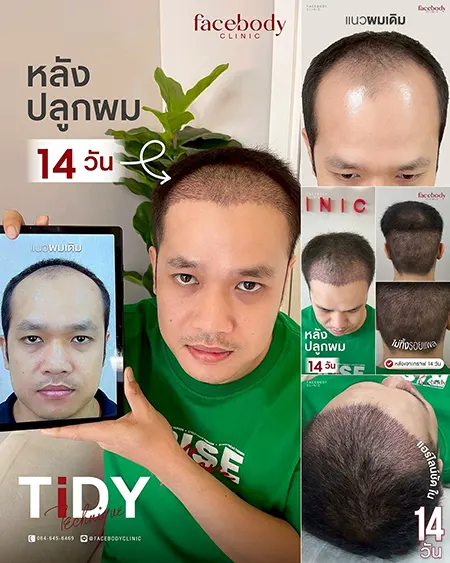
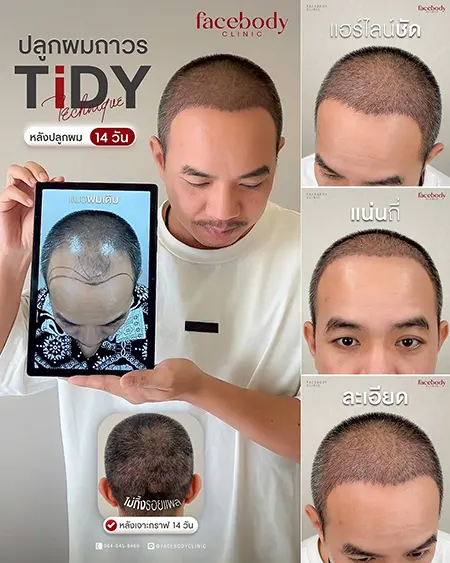
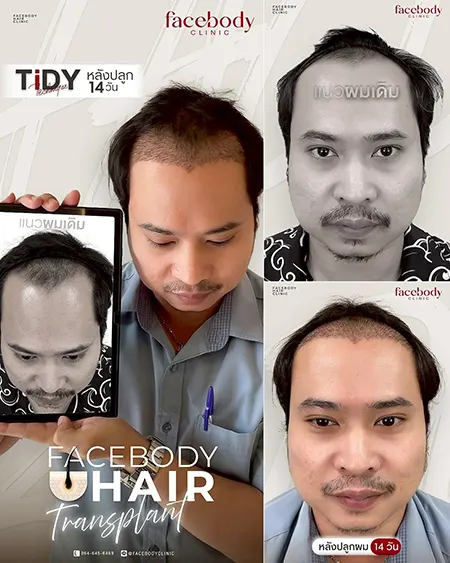
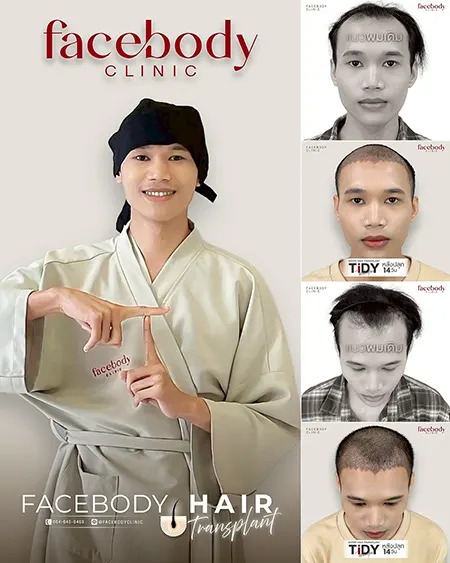
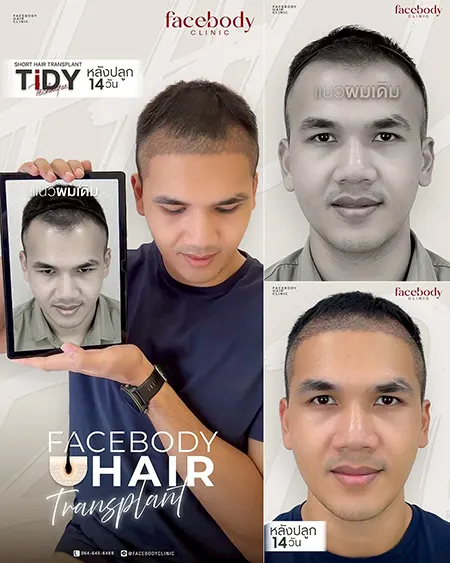
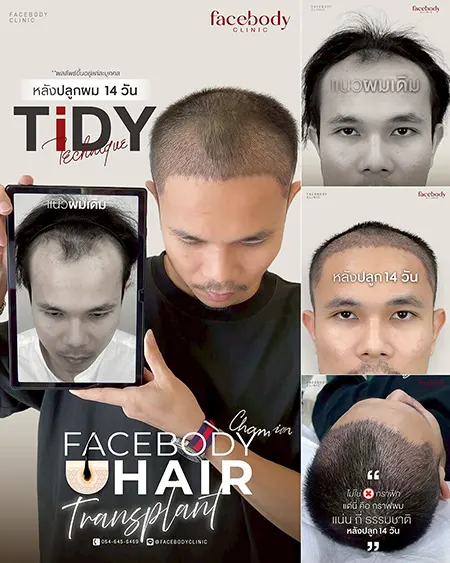
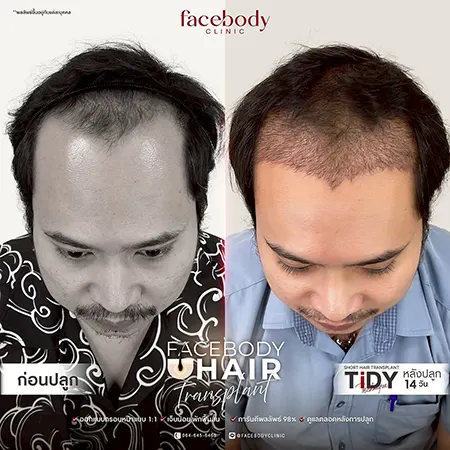
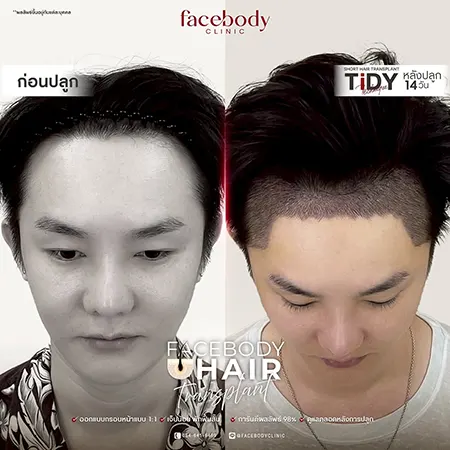
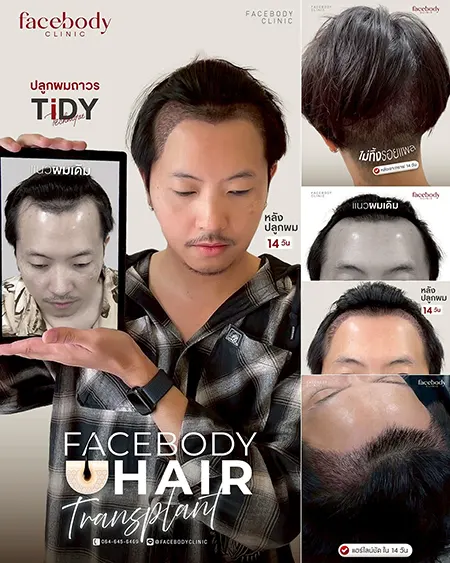
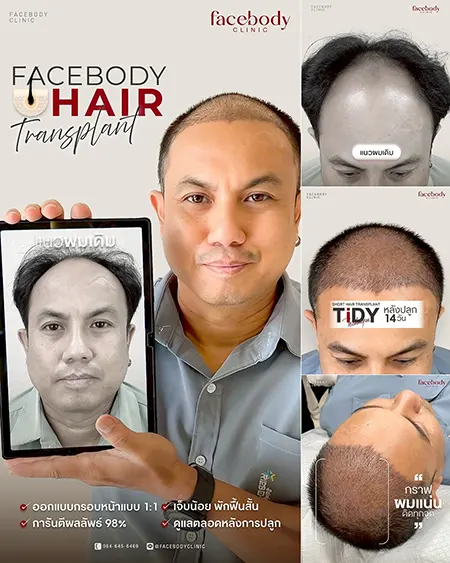
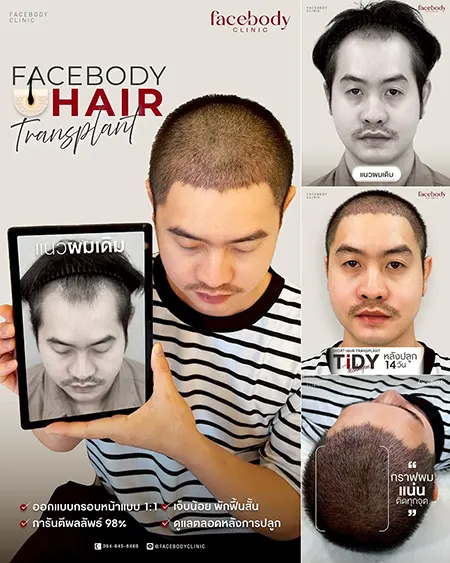
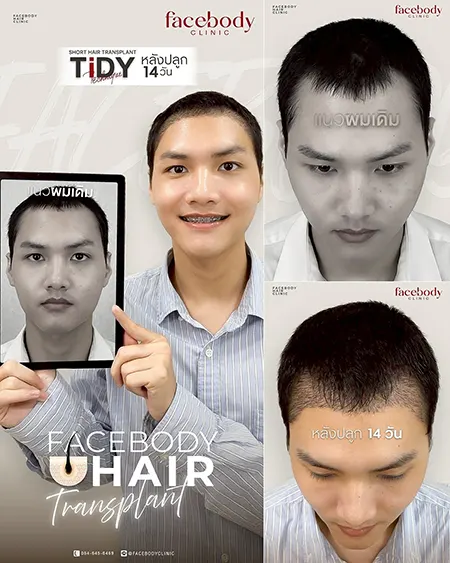
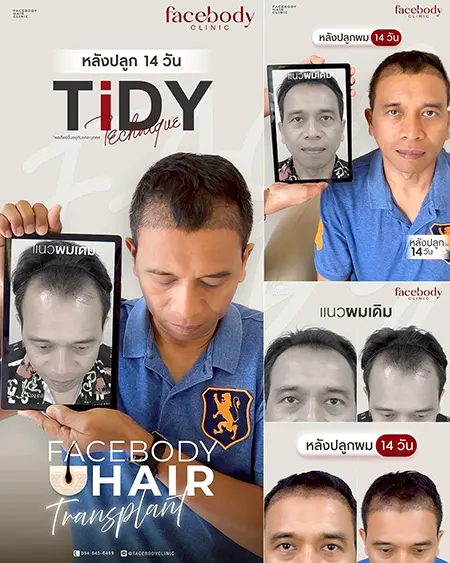
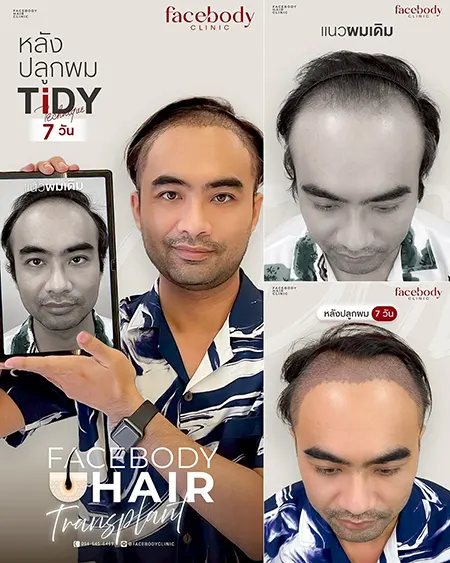
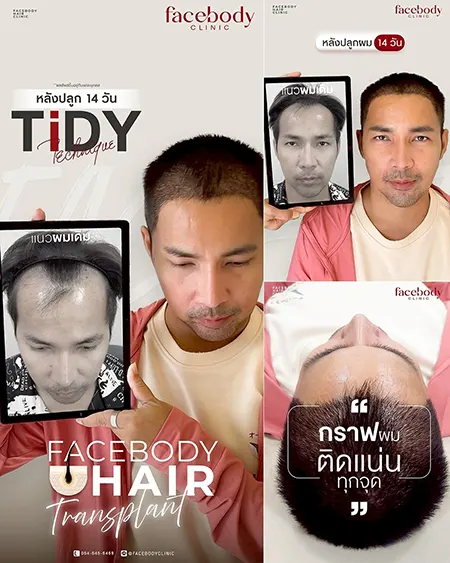
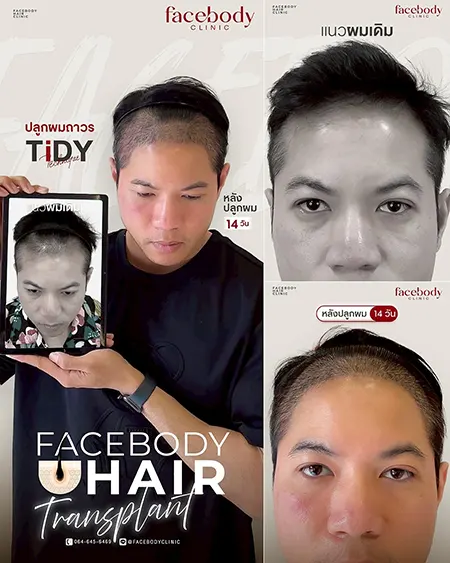
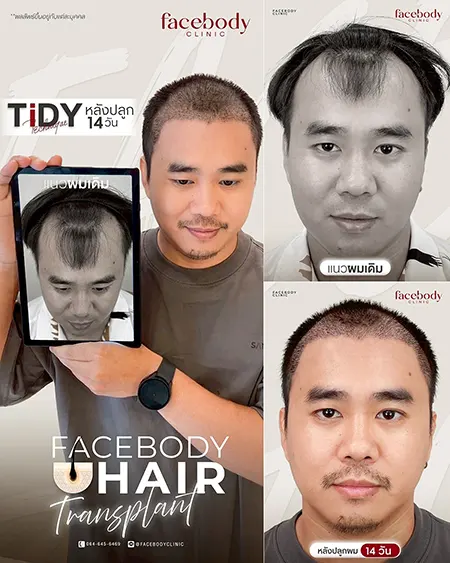
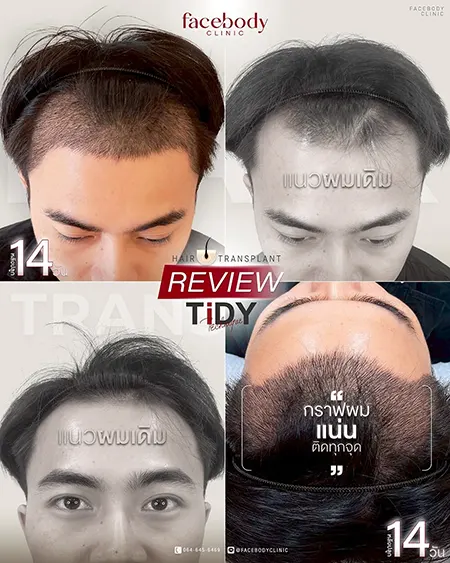
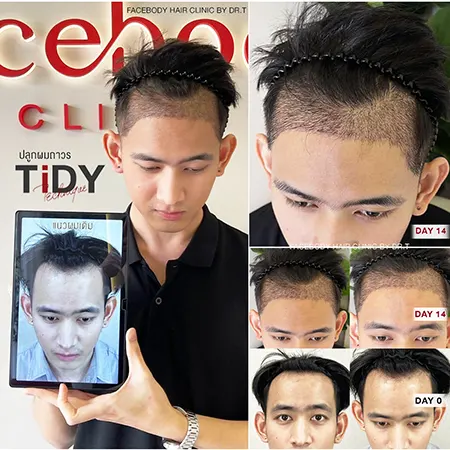
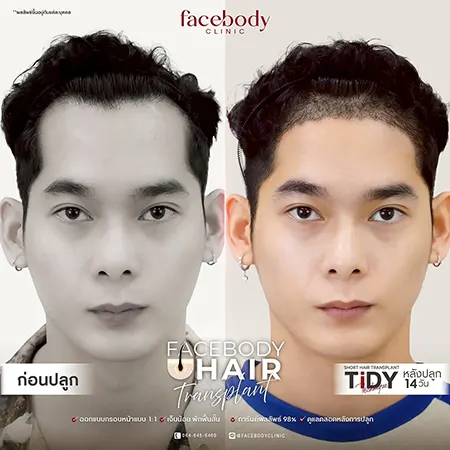
Hair Transplant Surgery Using the Tidy Technique.
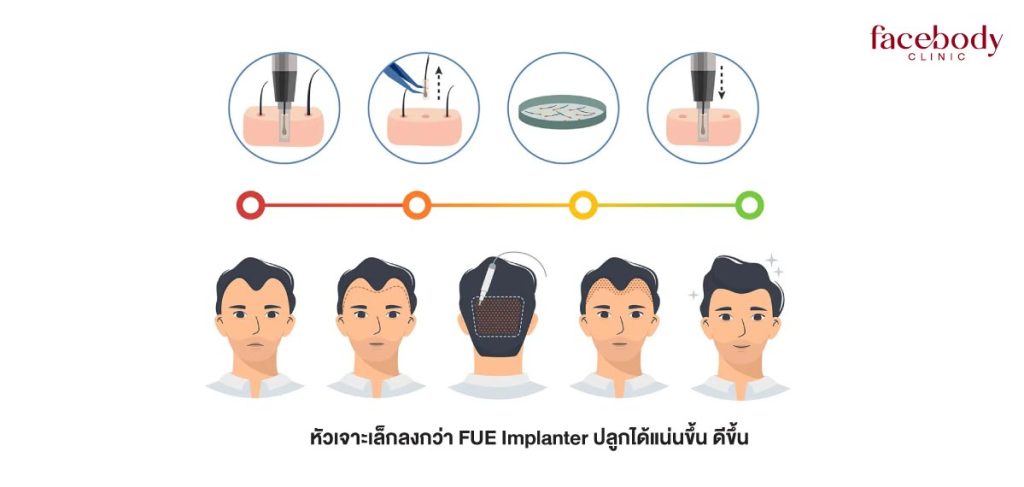
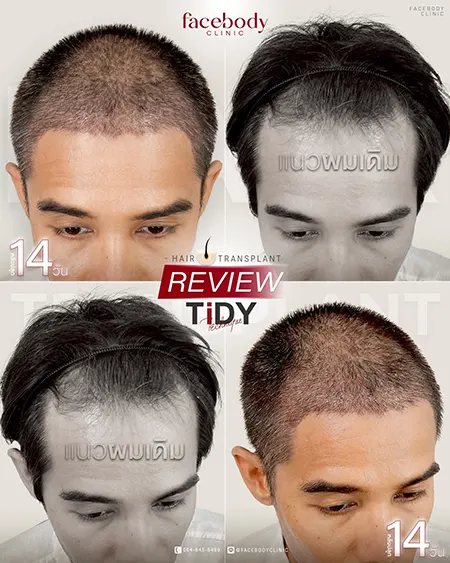
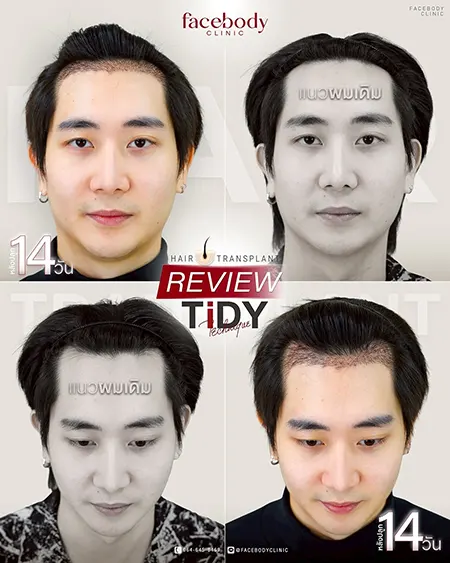
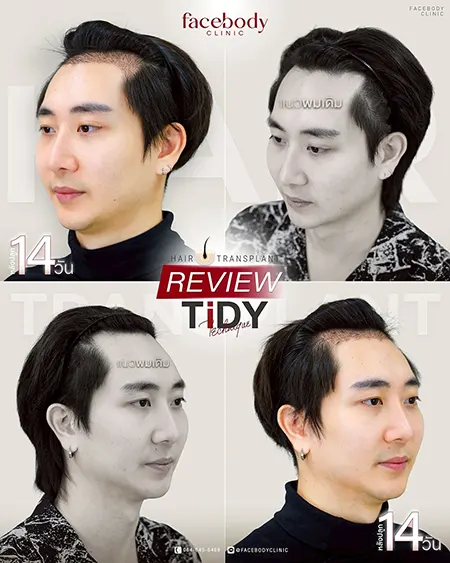
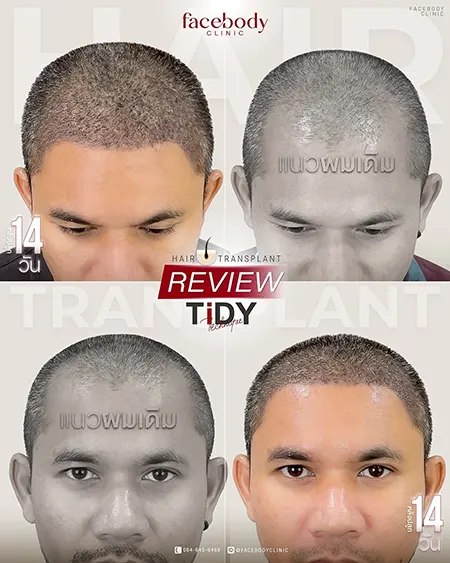
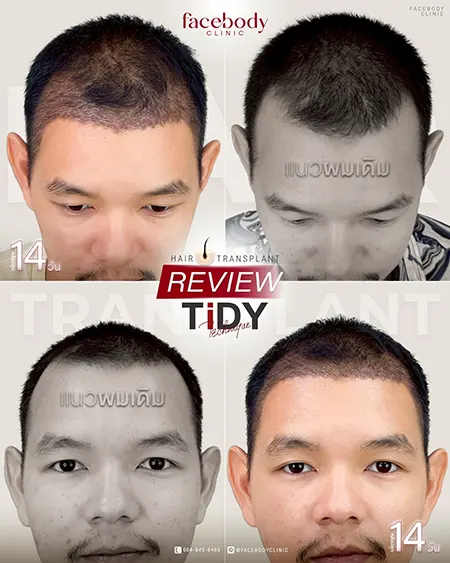
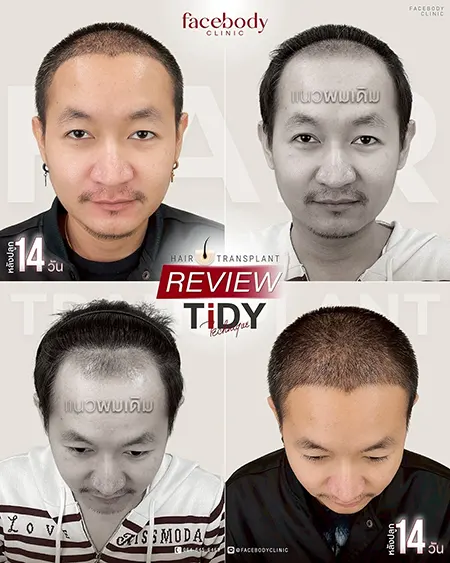
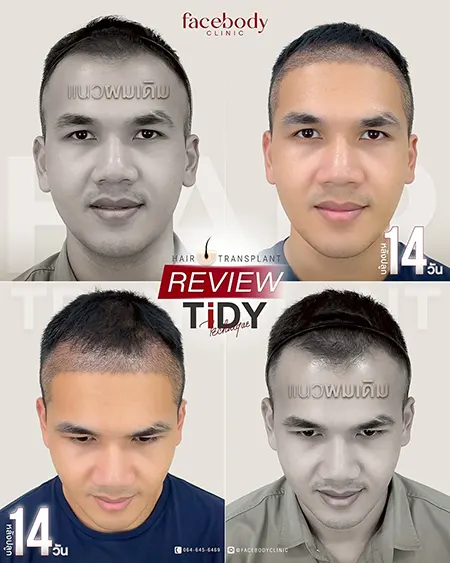
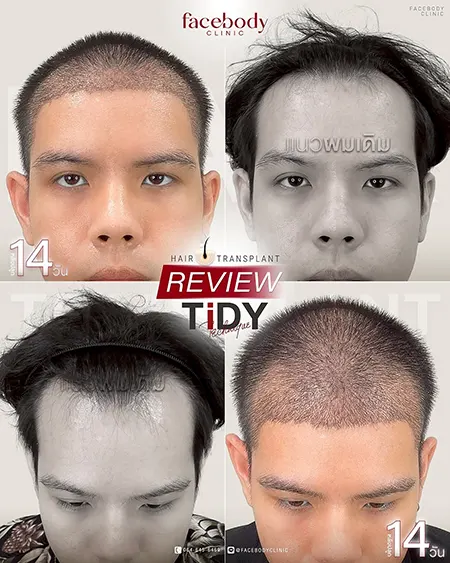
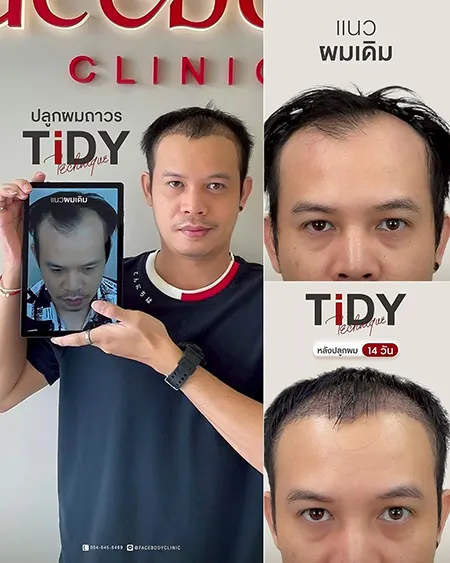
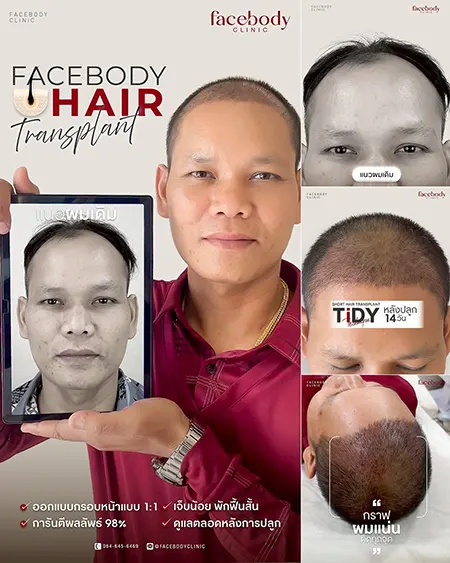
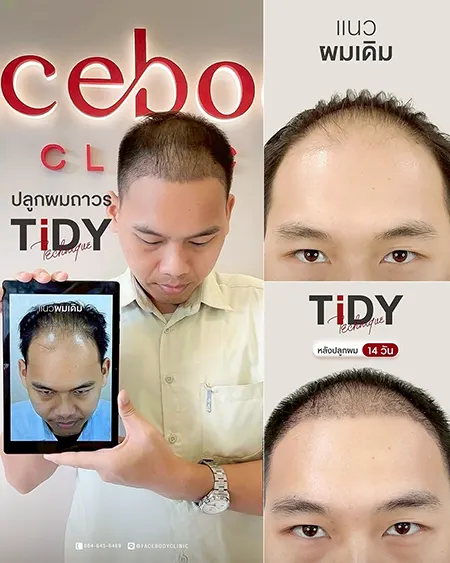
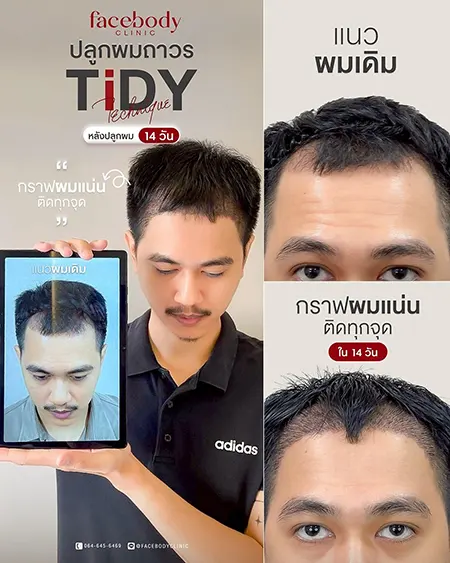
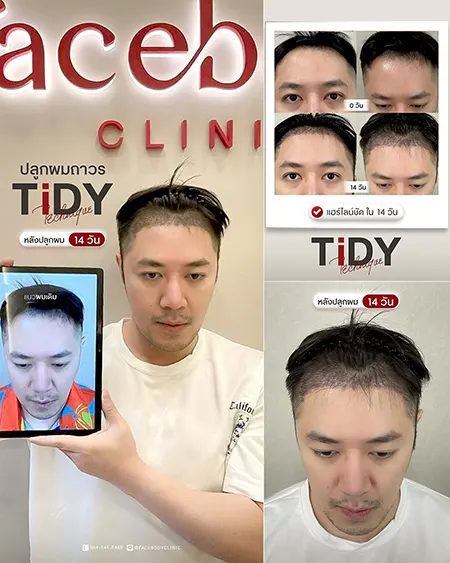
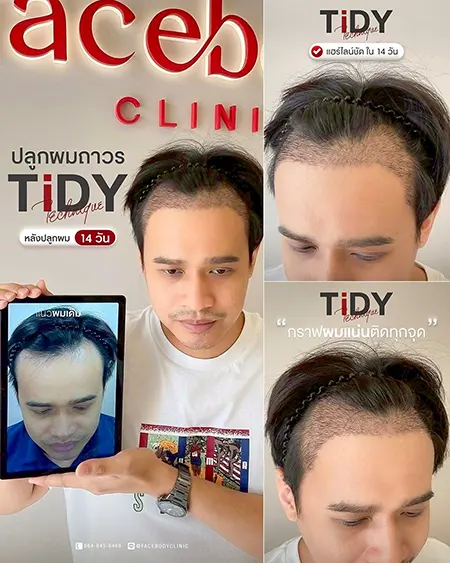
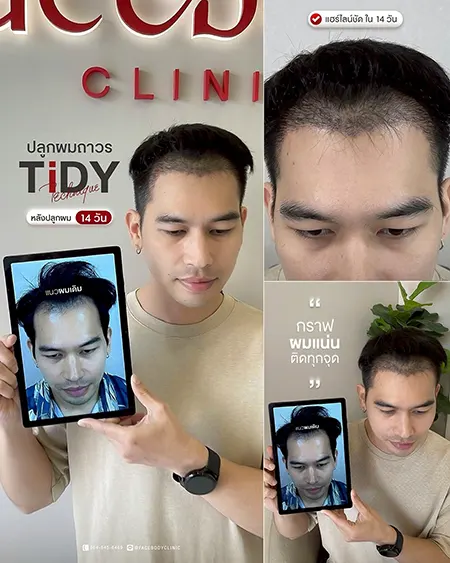
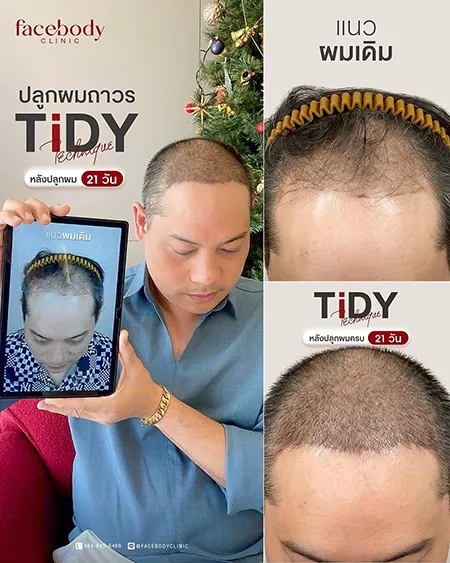
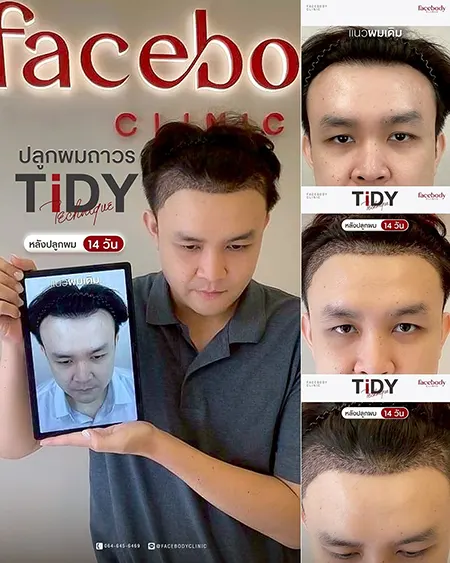
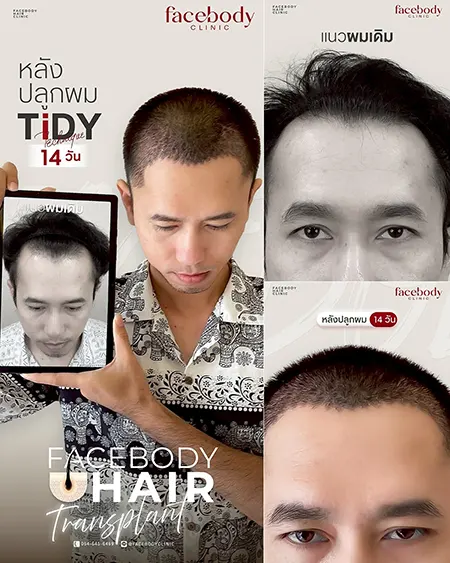
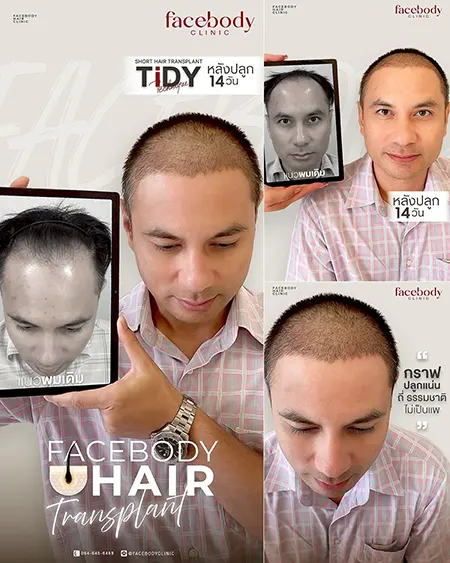
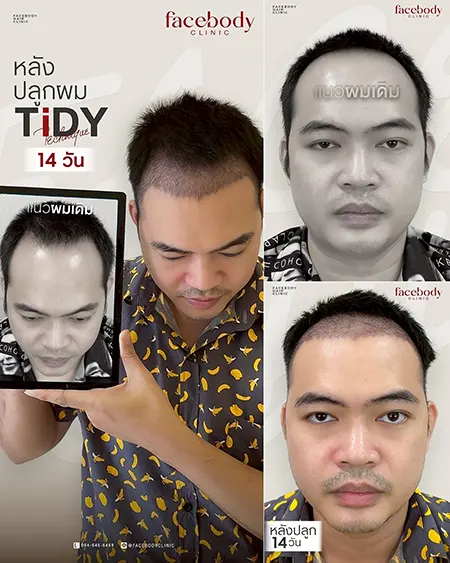
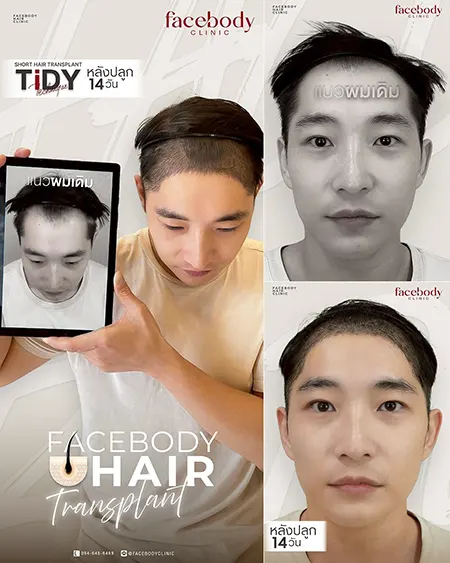
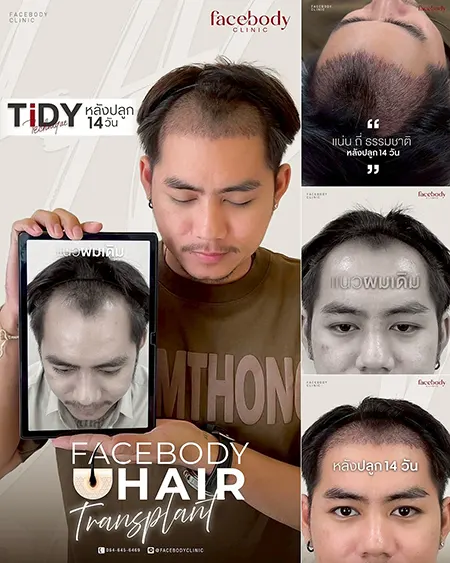
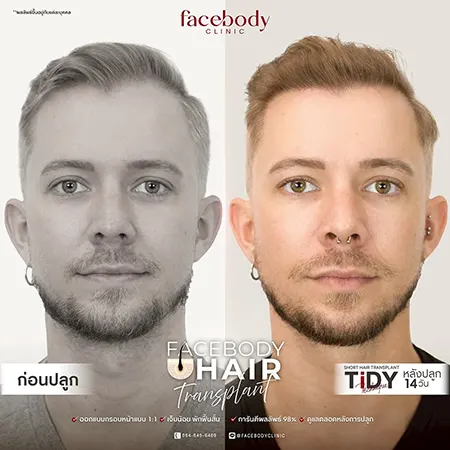
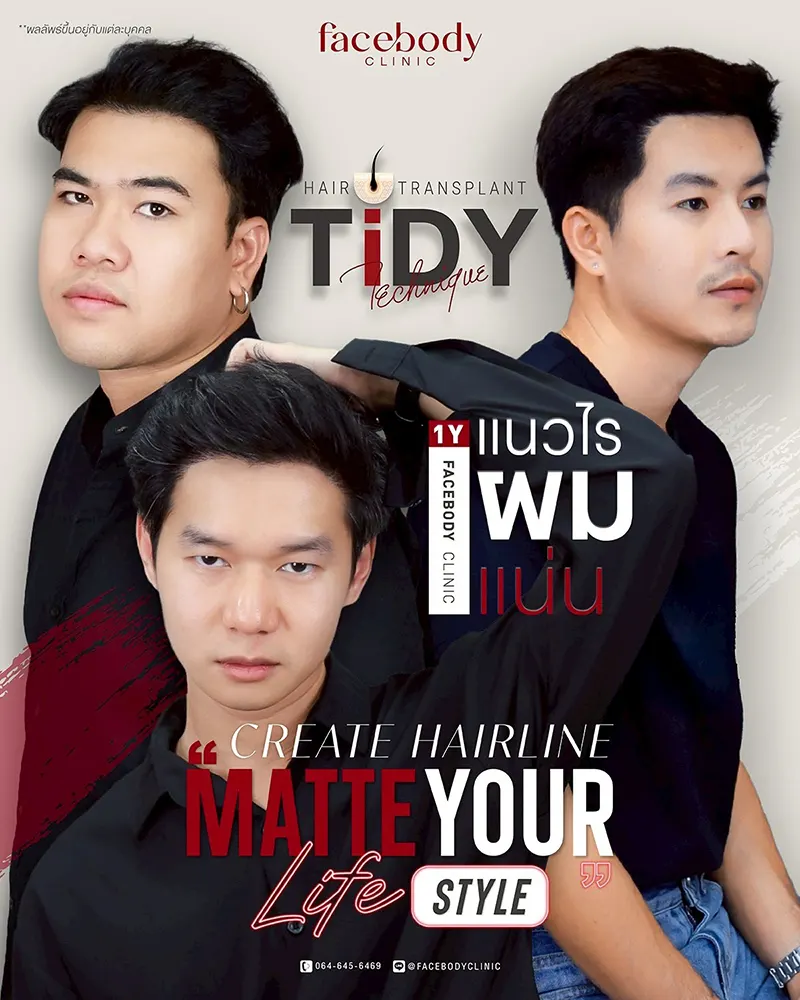
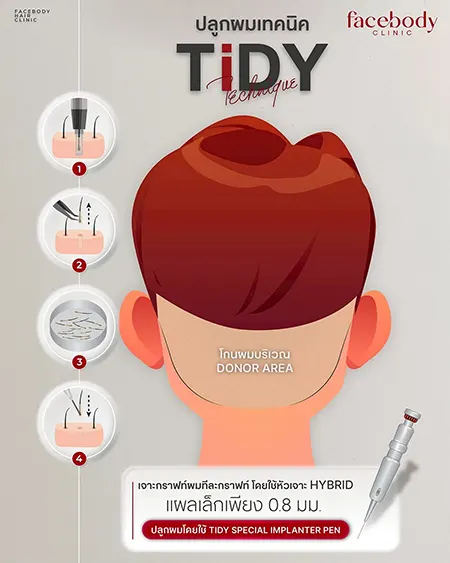
This hair transplantation technique involves a slightly longer procedure than other techniques. It uses a specially designed, small-diameter punch imported from overseas to facilitate rapid wound healing and a short recovery period while maintaining a high level of procedural safety. A purpose-designed graft implantation device is used to enhance transplantation efficiency and hair density, together with individualized planning of the hairline, facial framing, and hair orientation to achieve a natural appearance and greater density tailored to each patient.
Hair Transplant Surgery Using the Advance TiDY Technique.
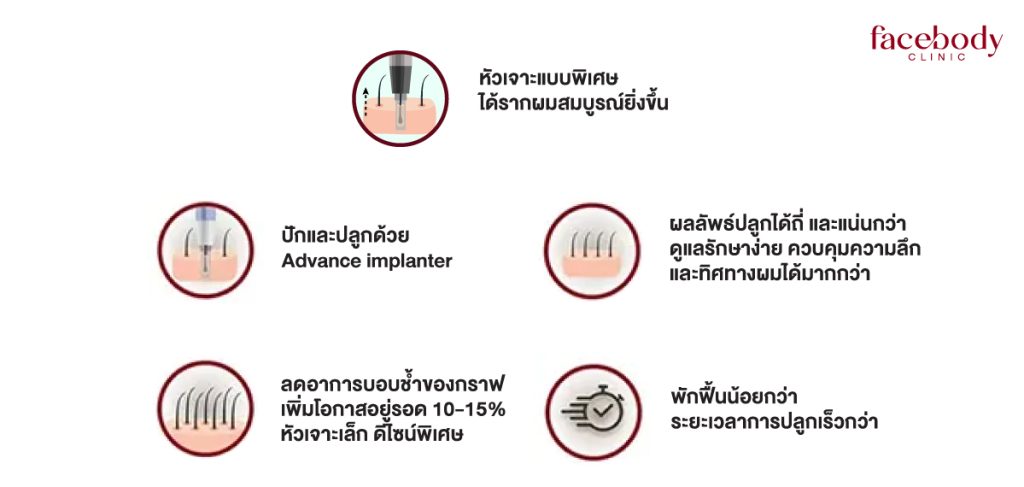
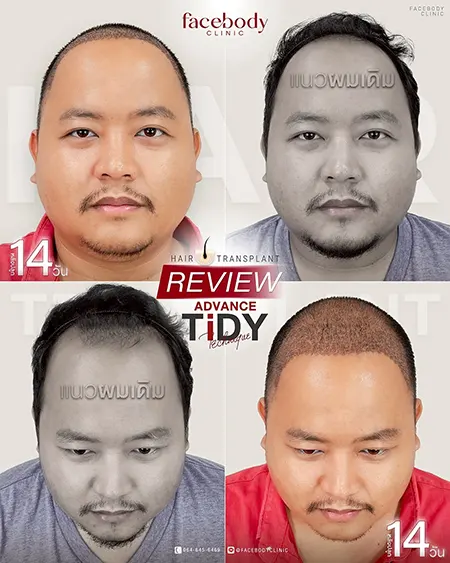
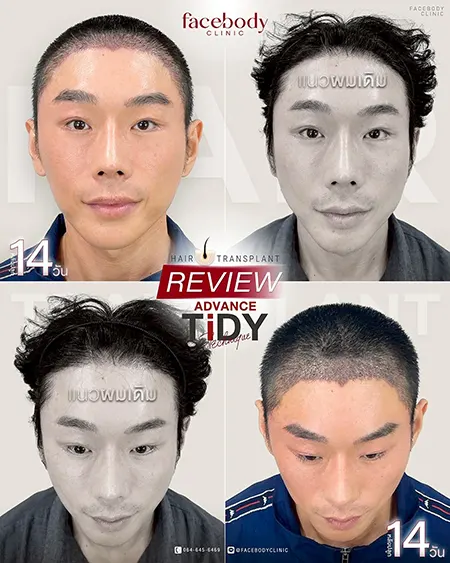
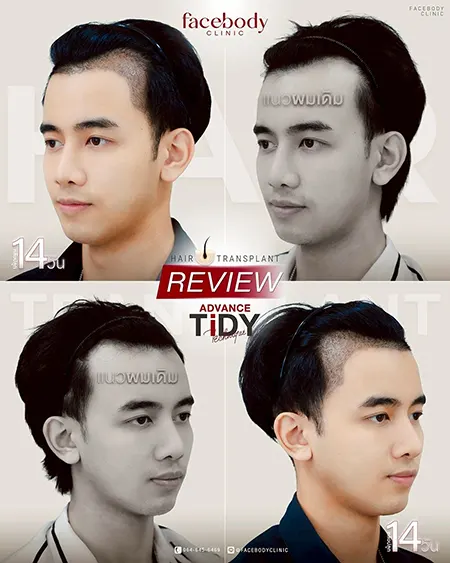
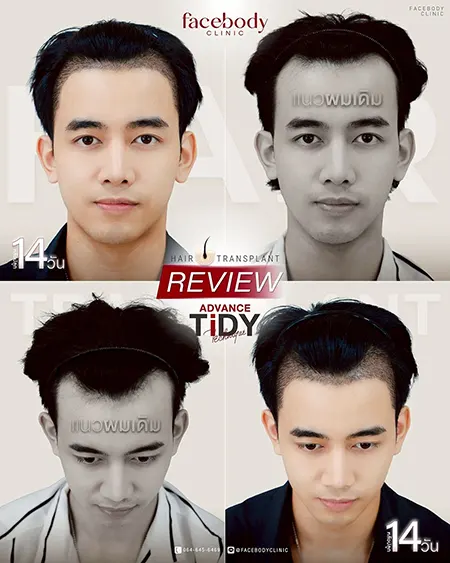
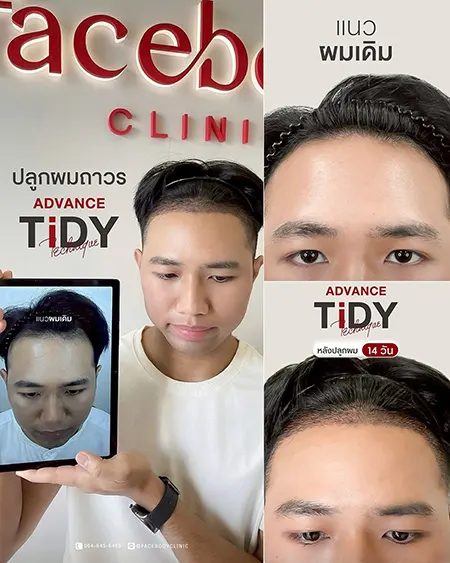
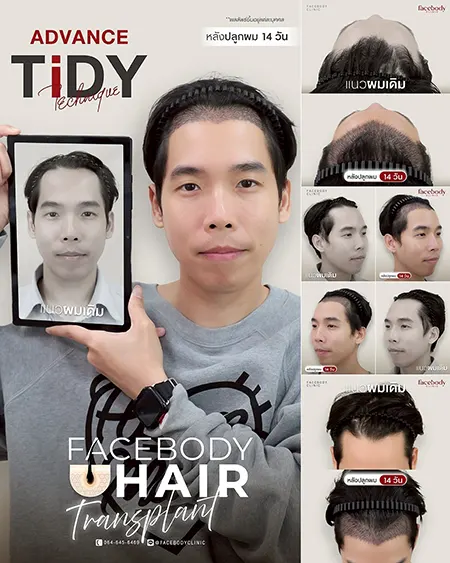
This technique represents a refinement of the TiDY hair transplantation procedure. It uses a specially designed, small-diameter punch intended to preserve follicular graft integrity and shorten recovery time, together with a specialized graft implantation device that allows more precise control of hair orientation along the hairline.
Hair Transplant Surgery Using the Advance TiDY Non-Shaved Technique.
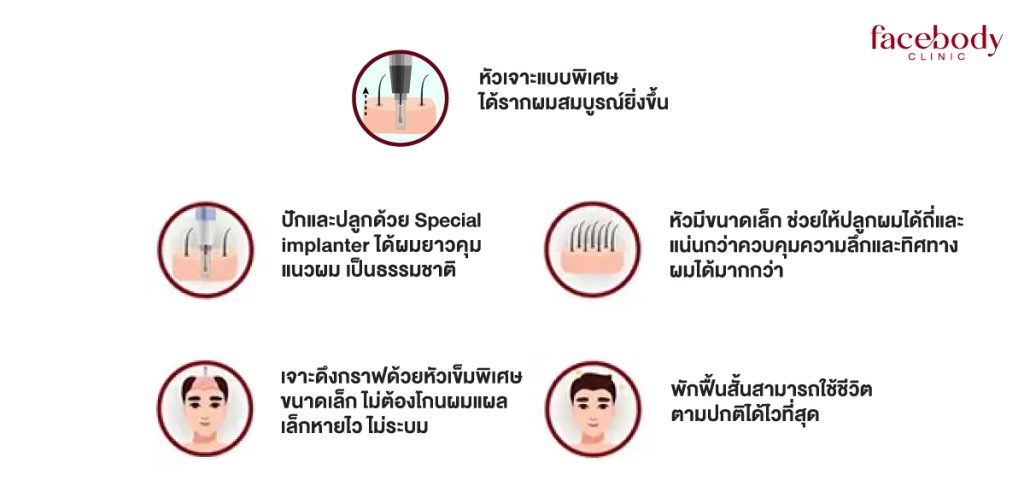
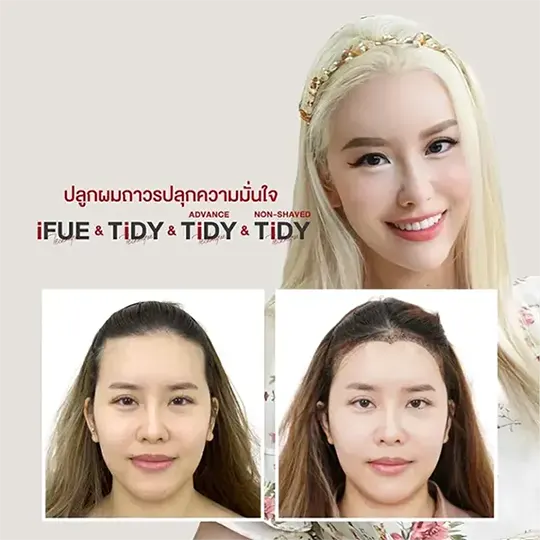
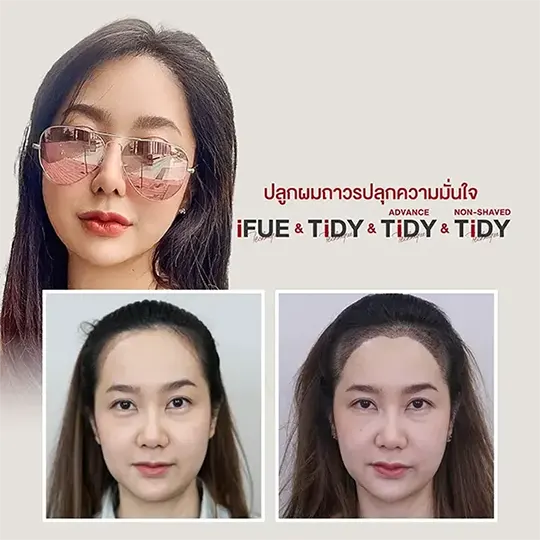
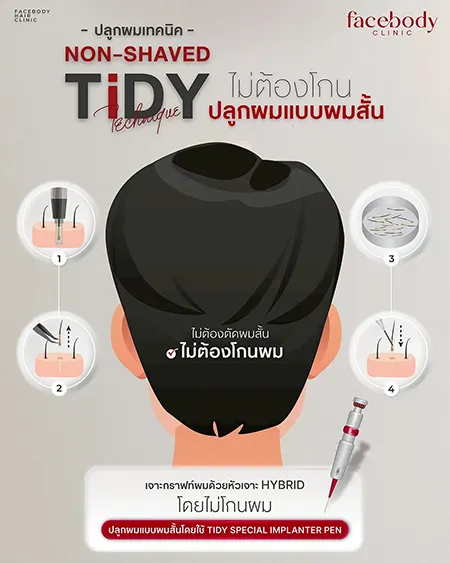
The TiDY Non-Shaved hair transplantation technique allows patients to maintain their usual daily activities. The procedure is similar to LONGHAIR hair transplantation but involves more meticulous graft harvesting and implantation using specialized instruments, with careful control of hair orientation to achieve high density and a natural appearance.
Hair Transplant Surgery Using the Long Hair Technique.
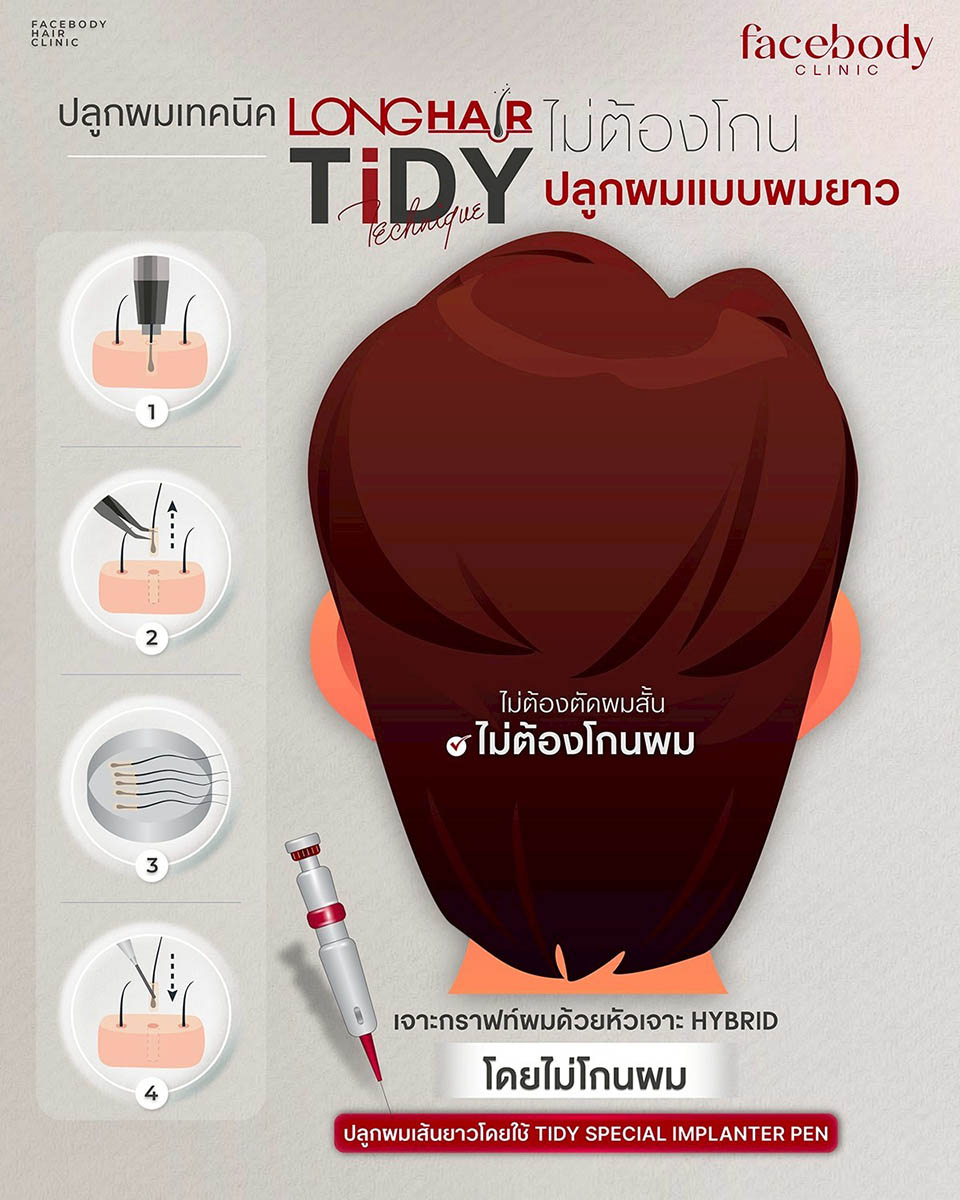
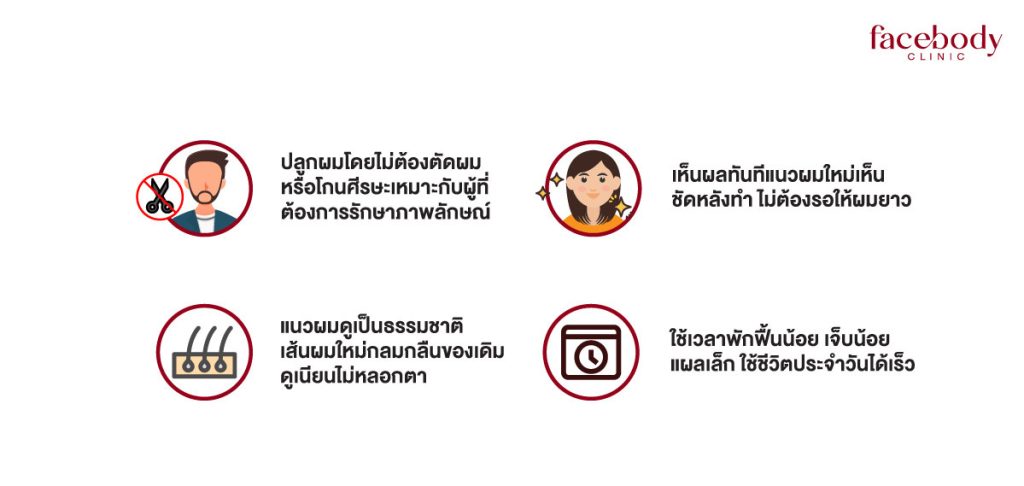 Long Hair TiDY is a hair transplantation technique that does not require trimming or shaving the occipital donor area (the back of the scalp) before follicular graft harvesting. The physician uses high-magnification surgical loupes and a specialized punch to select suitable hair follicles and harvest grafts with their long hair shafts intact, without trimming the ends, for transplantation into the recipient area. This technique is well suited to hair transplantation in women.

ลงทะเบียนปรึกษาแพทย์ฟรี!
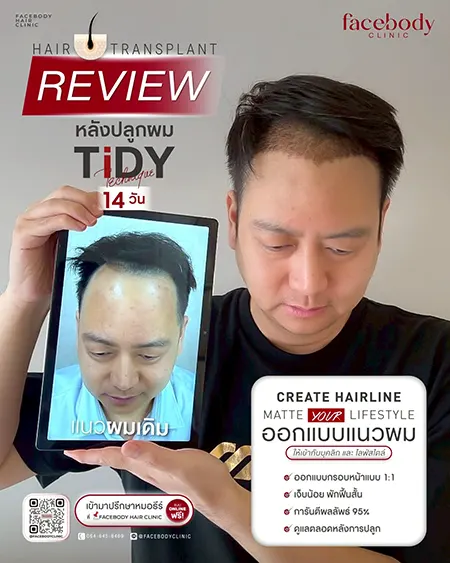
Hair Transplant Review